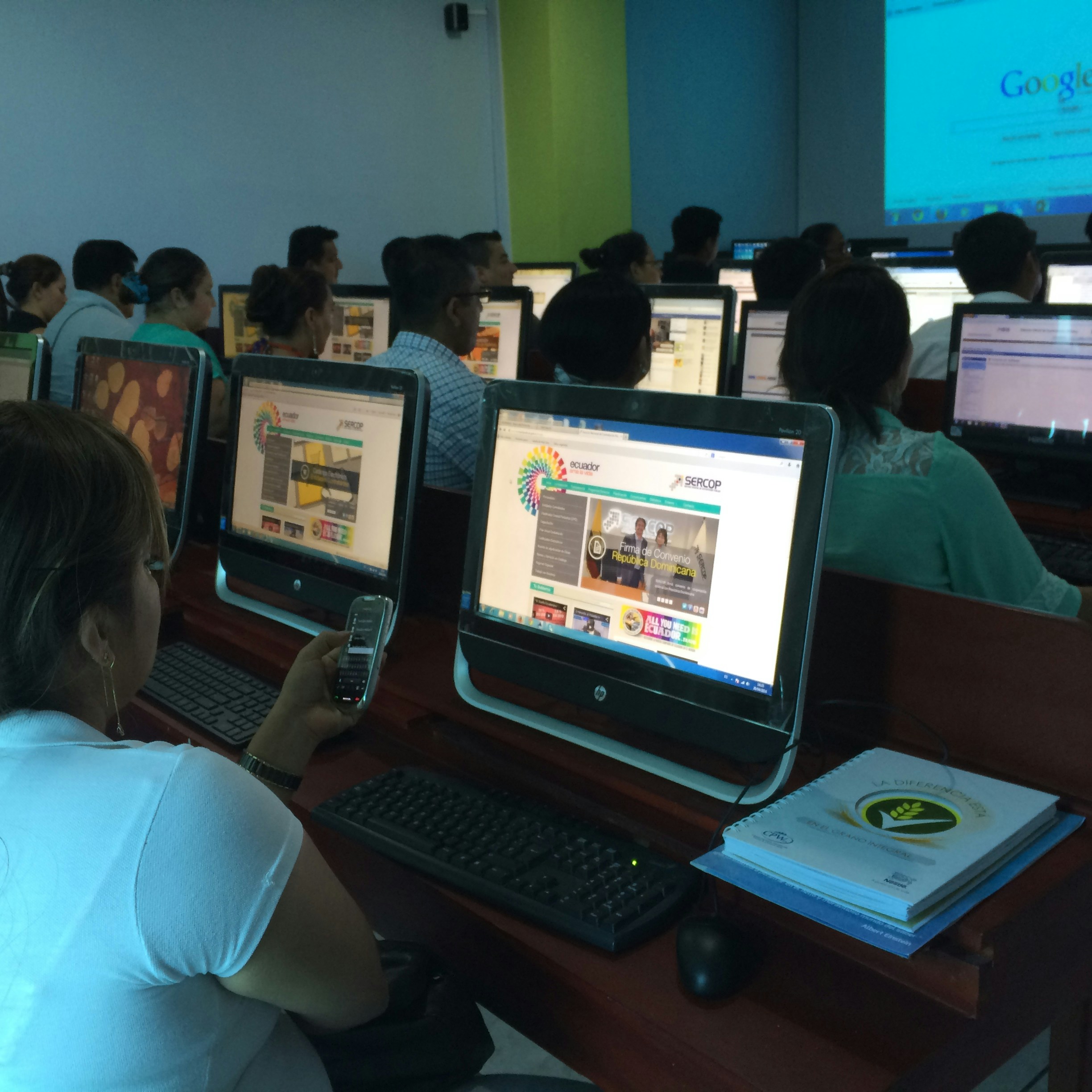
Introduction to Information Technology Qualification (ITQ)
The Information Technology Qualification (ITQ) is a credential designed to enhance individuals’ knowledge and skills in the field of information technology. This qualification serves a dual purpose: it not only equips learners with essential IT competencies but also builds a strong foundation for further education and career advancement in various technical domains. As a versatile qualification, ITQ is aimed at a broad audience, including students, professionals seeking to upskill, and individuals aiming to enter the rapidly evolving job market dominated by technology.
In today’s digital age, where technology plays an integral role across every industry, possessing IT skills is increasingly paramount. Employers are experiencing a growing demand for competent individuals who can proficiently use technology to solve problems, communicate effectively, and enhance productivity. Acknowledging this trend, the ITQ has emerged as a significant solution to address the skills gap prevalent in many sectors.
The significance of acquiring the ITQ extends beyond personal development. Organizations are aware that a workforce well-versed in IT is crucial for maintaining a competitive edge and driving innovation. By fostering employees’ expertise in IT through structured qualifications such as the ITQ, companies can ensure they are equipped to tackle contemporary challenges while maximizing efficiency and effectiveness in their operations.
Moreover, the ITQ adapts to various learning styles and preferences, allowing participants to engage with technology at their own pace. This flexibility, combined with the practical applications of the skills learned, underscores the relevance of the ITQ in today’s technology-driven world. Overall, as the importance of digital literacy continues to grow, the ITQ stands out as a vital stepping stone for anyone aiming to thrive in this landscape.
History and Evolution of ITQ
The Information Technology Qualification (ITQ) has a rich history that reflects the dynamic nature of the technology landscape. Initially developed in the early 2000s, the ITQ aimed to provide a comprehensive framework that would enable individuals to gain the necessary skills and knowledge to thrive in a technology-driven workplace. This period marked a significant shift as organizations recognized the increasing importance of digital literacy and the need for standardized qualifications.
The ITQ was established by various educational and professional bodies, including the National Qualifications Framework (NQF) in the United Kingdom. These organizations collaborated to create the qualification with an emphasis on practical skills, catering to a diverse audience, from students embarking on their educational journey to professionals seeking to enhance their career prospects. This collaborative effort ensured that the ITQ remained relevant to the evolving demands of the job market.
As technology rapidly advanced, so too did the ITQ. Its curriculum experienced continual updates to incorporate emerging technologies and trends. This adaptability allowed the qualification to remain pertinent to both learners and employers. Throughout the years, the ITQ has undergone several revisions to incorporate developments in digital communication, cybersecurity, data management, and more, ensuring that those who pursue the qualification are well-equipped for modern challenges.
Significantly, the ITQ also transitioned into digital and online delivery formats, which enhanced accessibility for learners globally. This evolution mirrors the shift towards e-learning and online education platforms, making it easier for individuals to engage with the materials and assess their skills at their own pace. Through these changes, the ITQ has not only endured but flourished, continuously shaping the landscape of information technology qualifications.
Structure of the ITQ Program
The Information Technology Qualification (ITQ) program is designed to provide learners with a comprehensive and structured approach to developing their IT skills. The program is divided into three main levels: Level 1, Level 2, and Level 3. Each level builds upon the knowledge and competencies gained in the previous one, allowing for a progressive learning experience that caters to individuals with varying degrees of familiarity with information technology.
At Level 1, the focus is primarily on foundational skills. Learners are introduced to basic IT concepts, including digital literacy, computer operations, and introductory software applications. Level 2 extends this knowledge by incorporating more complex functions and tools. Here, students engage in problem-solving activities and learn about data handling and presentation skills. The curriculum emphasizes practical application, equipping learners with necessary tools to effectively use technology in real-life scenarios.
Level 3 is intended for those who wish to deepen their understanding and gain advanced IT skills. This involves engagement with more specialized modules such as systems analysis, website development, and project management. Each level allows for the selection of core modules and optional units, enabling learners to tailor their educational journey based on their interests and career aspirations. Optional units may cover topics such as digital marketing, coding, or cybersecurity, offering pathways to specialize and enhance employability in various sectors.
The ITQ program’s structure ensures that individuals not only acquire essential information technology skills but also achieve recognized qualifications that affirm their capabilities in the workforce. Therefore, it serves as a critical step for both professional progression and personal development in the ever-evolving digital landscape.
Benefits of Obtaining an ITQ
Holding an Information Technology Qualification (ITQ) brings several significant advantages that enhance an individual’s professional trajectory. One of the primary benefits is the improved employability it offers. In today’s competitive job market, employers favor candidates who possess credible qualifications and certifications. An ITQ demonstrates a candidate’s dedication to their field and validates their skills in essential technology areas, making them a more attractive choice for potential employers.
In addition to heightened employability, obtaining an ITQ certification can lead to better job prospects. Organizations increasingly seek individuals who can navigate modern IT environments effectively. The ITQ equips professionals with the necessary skills and knowledge to work in various roles within the technology sector, ranging from support to management positions. This versatility empowers job seekers to explore a broad spectrum of career options, enhancing their chances of finding rewarding employment.
Another compelling benefit is the ability to demonstrate competence to employers. The ITQ establishes a standardized benchmark for essential IT skills, enabling certified individuals to illustrate their technical abilities and problem-solving capabilities. This certification acts as a strong testament to a person’s proficiency and can significantly bolster their resume. Moreover, for those looking to advance within their current organization or transition to a different company, having an ITQ can provide a critical differentiator in a pool of candidates.
Ultimately, securing an ITQ certification can not only enhance career opportunities but also instill greater confidence in a professional’s capabilities. As the demand for skilled IT professionals continues to grow, attaining an ITQ becomes a strategic move for anyone intent on navigating the intricacies of the technology landscape successfully.
Who Should Pursue an ITQ?
The Information Technology Qualification (ITQ) caters to a diverse audience, making it a valuable asset for various individuals seeking to enhance their proficiency in information technology. One of the primary groups that can benefit from pursuing an ITQ consists of students at various educational stages. For these learners, acquiring an ITQ serves as a solid foundation that solidifies essential IT skills, which is increasingly vital in today’s technology-driven academic and professional environments. By equipping themselves with this qualification, students not only improve their academic credentials but also enhance their employability upon graduation.
Another significant demographic that stands to gain from the ITQ comprises professionals who are looking for career advancement within their current fields. In an era where technological proficiency is a prerequisite for many job roles, obtaining an ITQ can significantly improve their expertise. This qualification can lead to better job prospects, promotions, or transitions into more advanced tech roles, thereby offering professionals a means to stay competitive in the job market. Furthermore, ITQ can assist individuals in different industries, from finance to healthcare, in meeting the increasing demand for IT capabilities within their respective occupations.
Lastly, individuals who are aiming to enhance their IT skills for personal development also serve as a crucial audience for the ITQ. As technology continues to evolve, many people recognize the necessity of continuously updating their skills to remain relevant not just in their careers, but also in everyday life. The ITQ provides a structured approach to learning and mastering essential IT tools, making it an excellent option for those engaged in self-improvement. In conclusion, the ITQ qualification appeals to a wide range of individuals including students, career-driven professionals, and personal development seekers, making it a versatile choice for enhancing IT skills.
How to Enrol in an ITQ Program
Enrolling in an Information Technology Qualification (ITQ) program can significantly enhance one’s professional skills and career prospects. To initiate the process, prospective students should first assess their individual goals and identify the specific ITQ courses that align with their career aspirations. A clear understanding of what one hopes to achieve through the program will greatly aid in selecting the right course.
Next, it is essential to consider the prerequisites for entry into an ITQ program. Generally, these qualifications do not require advanced prior technical knowledge, making them accessible to a wide audience. However, it is advisable to have basic computer skills, as the curriculum often builds on these foundational concepts. Some institutions may recommend or require candidates to complete an introductory IT course before enrolling in a specific ITQ program.
Once the prerequisites are understood, the next step is to research the various institutions that offer ITQ training. Many colleges, educational centers, and online platforms provide these programs, each with their unique attributes. It is crucial to take into account the accreditation of the institution, the qualifications of the instructors, and the feedback from previous students when conducting this research. Attending open days, if available, can also provide valuable insights into the institution’s learning environment and resources.
Finally, the application process usually involves filling out forms, providing identification, and possibly submitting prior educational qualifications. Some programs may also include an interview or assessment to gauge the applicant’s suitability. Therefore, ensuring all application requirements are met is vital for successful enrollment in an ITQ program, paving the way for a rewarding educational experience.
Course Content and Skills Covered in ITQ
The Information Technology Qualification (ITQ) program offers a diverse curriculum designed to equip learners with essential skills necessary for effective use of technology in various contexts. The course encompasses fundamental aspects of computer operation, ensuring that students develop a strong grounding in the basic hardware and software components of a computer system. This foundational knowledge is crucial as it enables individuals to troubleshoot common issues and enhances their overall computer literacy.
One of the key focuses of the ITQ program is software applications. Participants are introduced to a range of widely-used software tools, including word processors, spreadsheets, and presentation software. Proficiency in these applications is not only vital for academic success but also enhances employability in a technology-driven workforce. Through hands-on exercises, learners gain practical experience in creating documents, managing data, and delivering presentations, which are essential tasks in many professional environments.
Furthermore, a significant emphasis is placed on IT security. Participants learn about the importance of safeguarding personal and organizational information against various cyber threats. This includes understanding the fundamentals of data protection, recognizing common security risks, and employing best practices to ensure safe computing. The knowledge acquired in this area is indispensable, given the increasing incidence of cyberattacks and the growing emphasis on digital security in business operations.
Lastly, the ITQ course provides an introduction to an array of technologies, broadening learners’ perspectives on the evolving tech landscape. This includes exploring emerging technologies and their implications for both personal use and professional development. Overall, the ITQ curriculum is designed to cultivate comprehensive digital competencies, preparing participants for further learning or immediate application in the workforce.
Assessment and Certification Process
The Information Technology Qualification (ITQ) emphasizes the development of practical skills and knowledge required in the field of information technology. The assessment process is designed to evaluate the competency of students through various methodologies. One common approach involves practical assessments, where students demonstrate their abilities by completing real-world scenarios or projects that reflect tasks they are likely to encounter in their professional lives. Additionally, written examinations may be employed to assess theoretical knowledge, understanding of concepts, and problem-solving capabilities.
Evaluation methods in ITQ courses are diverse, catering to different learning styles and preferences. Formative assessments, which take place throughout the course, enable instructors to gauge students’ progress and provide timely feedback. These can include quizzes, peer reviews, and course assignments. Summative assessments, conducted at the end of a course or unit, serve to confirm knowledge retention and skill acquisition. They contribute significantly to determining whether a student is ready for certification.
Upon successful completion of all required assessments, candidates are awarded a certification that signifies their competence in relevant IT skills and knowledge. This certification not only enhances their employability but also serves as validation of their achievements within the field of information technology. The ITQ certification process underscores the critical role of assessments in ensuring that individuals possess the requisite skills and understanding to thrive in their careers. Hence, these evaluations are not merely academic exercises; they are essential benchmarks that facilitate student learning and professional growth.
Future of ITQ in a Changing Technological Landscape
The Information Technology Qualification (ITQ) has been a vital component of vocational training aimed at equipping individuals with essential skills for the rapidly evolving technology landscape. As the industry progresses, the relevance of ITQ remains paramount, and it will likely undergo various updates to ensure it aligns with emerging technologies and industry demands. The future of ITQ is not simply about maintaining its current curriculum; it is about anticipating the skills that will be necessary in the coming years.
One significant aspect that will likely shape the future of ITQ is the integration of new technological trends such as artificial intelligence (AI), big data, and cybersecurity. As organizations increasingly rely on these technologies, ITQ is expected to adapt its curriculum to include modules that encompass these emerging fields. This adaptation will empower learners to gain relevant insights and competencies that are critical for their professional development.
Moreover, as remote working becomes more commonplace, ITQ qualifications must also reflect the skills necessary for effective online collaboration and digital communication. Courses that enhance remote work capabilities and digital literacy will become integral to the ITQ framework. This development is not just necessary for student employability, but also to ensure that learners are proficient in navigating a work environment that is heavily reliant on technology.
Furthermore, the focus on lifelong learning is becoming increasingly important. ITQ can position itself as a continuous learning provider through short courses and certifications that complement its primary qualification. This allows ITQ holders to continuously advance their skills, thus remaining competitive in a dynamic job market.
In conclusion, the future of the ITQ qualification is bright as it evolves to meet the demands of a rapidly changing technological landscape. By updating its curriculum to incorporate modern technologies and learning methodologies, ITQ can continue to provide valuable learning opportunities that prepare students for success in the tech industry.